Solenoid valves
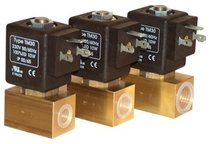
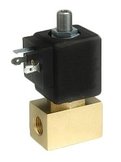
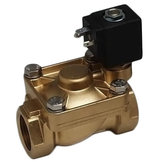
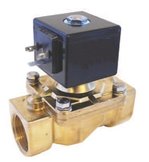
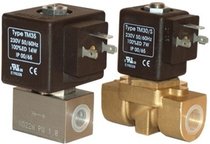
ADL offers an extensive range of solenoid valves in brass, stainless steel and plastic.
Available for operating pressures up to 500 bar and with coils from 12V to 380V, so there is a suitable solution for virtually every control system and installation.
Make your selection from the categories below:


Loading...
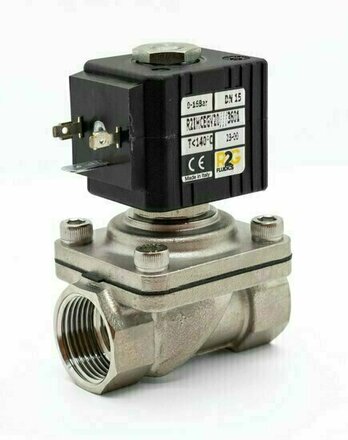
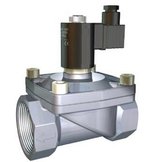
Stainless steel combined-action solenoid valve 3/4" 0-16bar N.C. VITON
€ 225,42
excl. VAT
€ 272,76
incl. VAT
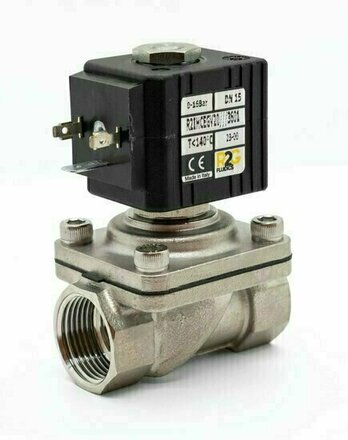
Stainless steel combined-action solenoid valve 1/2" 0-16bar N.C. VITON
€ 165,39
excl. VAT
€ 200,12
incl. VAT
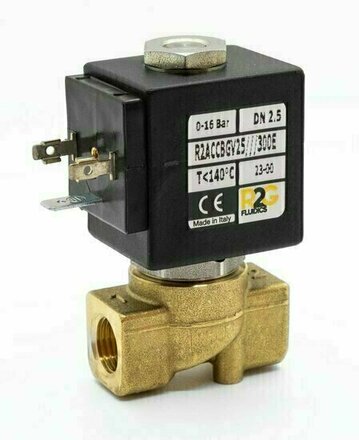
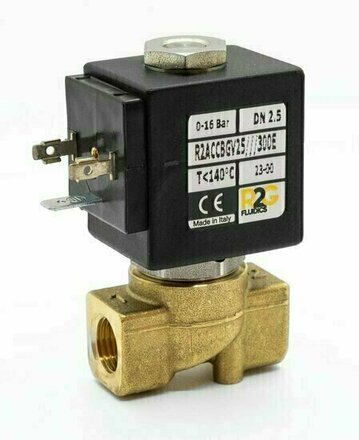
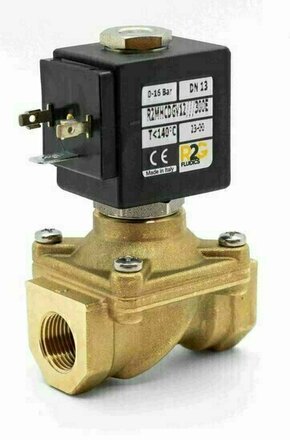
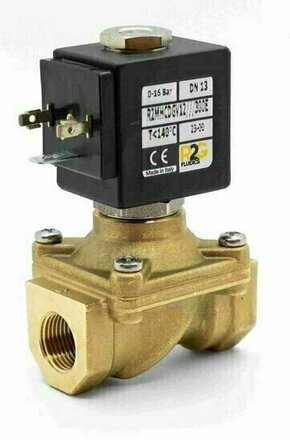
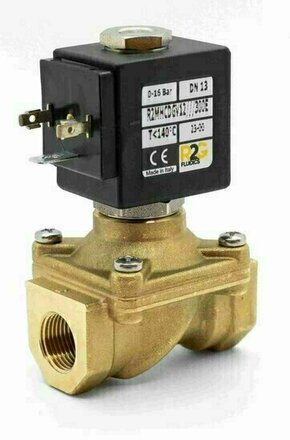
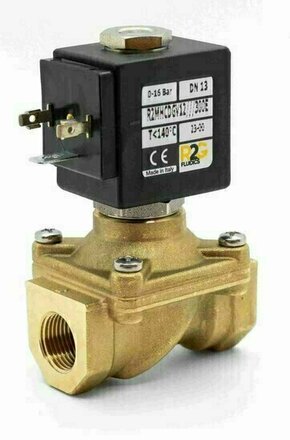
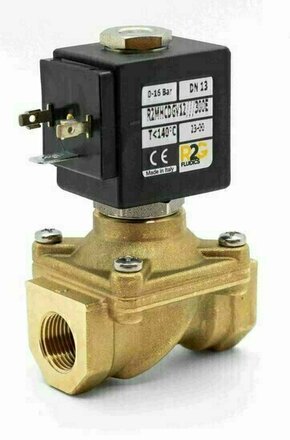
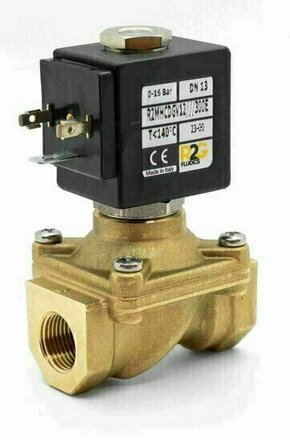
Solenoid valves for industrial automation and process control
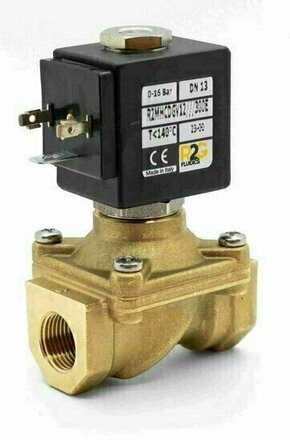
A solenoid valve is an electrically operated valve that automatically opens or closes as soon as the coil is energised, for fast, reliable and accurate switching in automated systems. The range includes, among others, 2/2- and 3/2-way versions, both direct-acting and servo-operated, in brass, stainless steel and plastic. Available for operating pressures up to 500 bar, with coils from 12V to 380V — providing a suitable solution from light control circuits to heavy industrial installations.
Materials & choice
-
•Brass — robust and versatile, for water, air and neutral liquids
-
•Stainless steel — corrosion-resistant, suitable for aggressive media, humid environments and higher temperatures
-
•Plastic — lightweight and durable, ideal for chemicals and water treatment
Features
-
•Fast, reliable and accurate electrical switching
-
•Suitable for automatic process control
-
•Operating pressures up to 500 bar
-
•Coils from 12V to 380V
-
•2/2- and 3/2-way, direct-acting or servo-operated
Applications
-
•Process installations and machine building
-
•Water treatment and dosing systems
-
•Pneumatic and hydraulic control systems
-
•Compressed air installations
-
•Industrial automation
Not sure which material, voltage or pressure range you need? Our specialists are happy to advise you on the right solenoid valve for your application.
Frequently asked questions about solenoid valves
What is the difference between direct-acting and indirect (servo-operated) valves?
Direct-acting valves work independently of the system pressure (from 0 bar) and are highly suitable for small flow rates or vacuum applications. Indirect (servo-operated) valves use the line pressure to open and close. They require a minimum pressure differential (usually between 0.3 and 0.5 bar, depending on the type), but are suitable for larger flow volumes.
What is the advantage of an NC versus an NO version?
The choice depends on the desired behaviour during power failure and on energy consumption. NC (Normally Closed) is the standard choice when the valve has to be closed most of the time. NO (Normally Open) is chosen when flow is required in the rest position or as a safety measure during power failure.
Why does my alternating current (AC) solenoid valve vibrate or hum?
This can indicate dirt between the plunger and the core assembly, or a defective copper ring (shading ring). It can often be resolved by cleaning the valve internally and checking for contamination.
Which voltage should I choose for a solenoid valve?
Solenoid valves are available in various voltages, such as 230V AC, 24V AC, 24V DC and 12V DC. The choice depends on the available power supply and control system in your installation. Always check that the coil is suitable for your installation in terms of voltage, power and connections.
Which seal material should I choose: NBR, FKM (Viton) or EPDM?
The seal material must match the medium. NBR is suitable for air, water and oil. FKM (Viton) withstands high temperatures and many chemicals. EPDM is suitable for hot water, steam and certain chemical media.
For which media can I use a solenoid valve?
Solenoid valves are available for air, water, gas, steam and various chemical media. Always check that both the valve body and the seals are resistant to the medium, the temperature and the working pressure.
What does 2/2-way or 3/2-way mean for a solenoid valve?
A 2/2-way solenoid valve has two ports and two positions: open or closed. A 3/2-way valve has three ports and is often used for pneumatic applications where air has to be switched or vented.
How do I determine the right size of solenoid valve?
The right size depends on the pipe diameter, the required flow rate and the working pressure. A valve that is too small can cause pressure loss, while a valve that is too large is unnecessarily expensive.
Can a solenoid valve be energised continuously?
Yes, most solenoid valves are designed for continuous operation (100% ED). However, always check the coil specifications to prevent overheating.
Can a solenoid valve be mounted in any position?
In most cases, mounting with the coil pointing upwards is recommended. Some valves also function horizontally, but this differs per type and manufacturer.
What is the difference between a brass and a stainless steel solenoid valve?
Brass solenoid valves are suitable for water, air and neutral media. Stainless steel solenoid valves offer higher corrosion resistance and are often used in the food industry, chemical installations and outdoor applications.